

Independent sexual health resource
Clear, Medically Reviewed Answers About STDs
Understand symptoms, testing, and treatment with guides based on CDC guidelines and reviewed by a board-certified physician. When you're ready, compare testing options with our partner.
- Physician-reviewed
- Based on CDC and NIH guidance
- 250+ in-depth guides
What Brings You Here Today?
I have symptoms
See what common STD symptoms look like and when to get checked.
I want to get tested
Compare tests and prices, and see how ordering works.
I'm not sure I need a test
Answer 6 quick questions to see which tests fit your situation.
I got my results
Learn how to read your report and what to do next.
What Most People Get Wrong About STDs
The biggest myth is "I'd know if I had one." Most people with chlamydia have no symptoms, and many women with gonorrhea don't either, according to the CDC. The only way to know your status is to get tested.
STDs are also more common than most people think. More than 2.2 million cases of chlamydia, gonorrhea, and syphilis were reported in the US in 2024, according to provisional CDC data, and many more go undiagnosed.
The good news: most bacterial STDs are curable, and the others are manageable with treatment. Finding an infection early prevents the complications that make STDs serious, such as pelvic inflammatory disease and infertility.
Read: Can you have an STD with no symptoms?
Sources: CDC: Chlamydia · CDC: STI Surveillance 2024

Learn About STDs
Every STD has its own symptoms, testing windows, and treatment. Start with the one you're concerned about.

Chlamydia
Most common bacterial STD; often asymptomatic

Gonorrhea
Rising antibiotic resistance; early detection critical

HIV
Highly manageable with early treatment; 4th-gen tests detect in 2-4 weeks

Herpes (HSV-1 & HSV-2)
Extremely common; 1 in 6 Americans ages 14-49

Syphilis
Cases at a 70-year high in the US; easily curable when caught early

Hepatitis B & C
Often silent for years; routine screening recommended

Trichomoniasis
Curable with a single dose of antibiotics

Mycoplasma genitalium (Mgen)
Explore symptoms, testing, treatment & prevention
Not Sure Which Test You Need?
Answer 6 quick questions about your situation. You'll get a suggested test based on your exposure type and timing.
No sign-up. Your answers aren't stored.
Ready to Get Tested?
Order a confidential test through our testing partner, STDcheck.com, and visit a participating lab near you. Most results are ready in 1–2 business days.
- 1

Choose a test
Compare individual tests and panels to find your starting point.
- 2
Order with STDcheck
Complete your order securely on our testing partner’s website.
- 3

Visit a lab, get results
Find a participating lab and view results in your private account.
Orders, payments, and results are handled by STDcheck.com.
How We Create Our Content
HealthTestExpress is an independent sexual health resource. Our goal is simple: accurate information that helps people make informed decisions about testing and care.
Physician-reviewed
Our medical content is reviewed by Dr. Michael Thompson, MD, before publication and whenever guidelines change.
Based on primary sources
We cite the CDC, NIH, FDA, and peer-reviewed research, never other consumer health sites.
Kept up to date
Each guide shows when it was last reviewed. We update articles when testing or treatment recommendations change.
Clear about how we earn
We earn a commission when you order a test through our partner links. It never changes your price or what our medical content says.

Dr. Michael Thompson, MD
Dr. Michael Thompson has spent his entire career in sexual health medicine - first as a clinician, then as a public health strategist, and now as the medical lead behind HealthTestExpress. Over fifteen years, he has worked at every level of this field: treating patients one-on-one, directing a full-service sexual health clinic, advising the federal government on national prevention strategy, and now building the kind of public resource he always believed should exist.
Read our editorial standards

When to See a Doctor in Person
Online testing works well for routine screening. Get in-person care instead if:
- You have severe pelvic or abdominal pain, fever, or painful testicular swelling. Go to urgent care or the ER today.
- You think you were exposed to HIV in the last 72 hours. Ask about PEP now. It works best when started early.
- You're pregnant and think you may have been exposed. Call your prenatal provider.
Popular Guides

Can You Get an STD From a Lap Dance or Strip Club Visit?

Can You Get an STD from a Hot Tub, Sauna, or Pool?

Can STDs Affect Your Taste or Smell?

How Long Can You Have Ureaplasma Without Knowing?

Can STDs Disrupt Your Sleep?

How Long After STD Treatment Can You Have Sex? A Doctor’s Timeline

Ureaplasma Treatment: Antibiotics, Resistance, and What to Do When It Comes Back
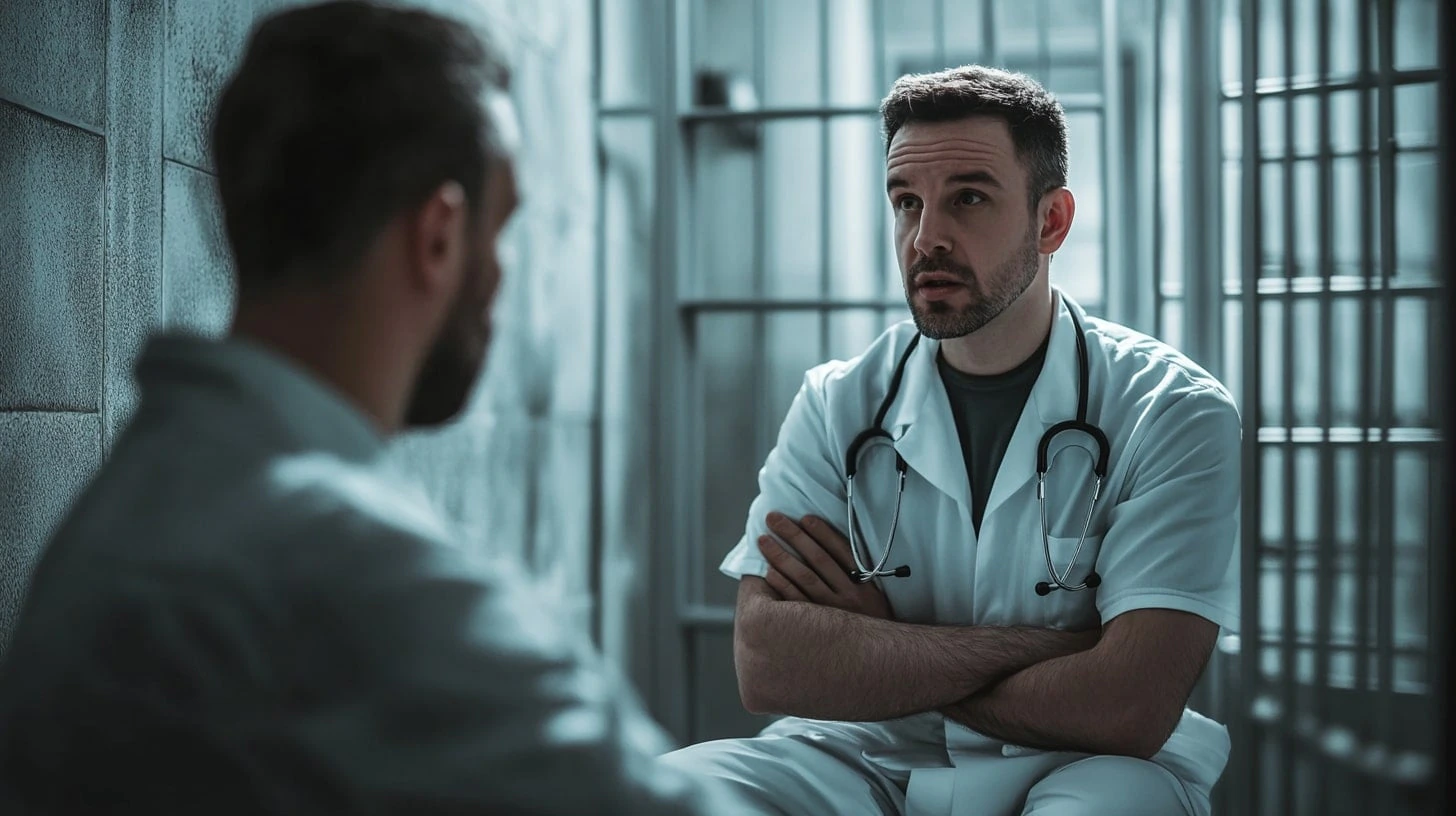
Do They Test for STDs in Jail? What Actually Happens at Intake
Can Mycoplasma Genitalium Be Dormant or Silent?
Can Amoxicillin Treat Gonorrhea?
Genital Warts vs Ingrown Hair: How to Tell the Difference
Hepatitis B Window Period: When to Get Tested
About HealthTestExpress
Know Your Status. Start With the Facts.
Not sure where to begin? Take the quiz, or compare testing options when you're ready.
No sign-up needed. Orders are completed on STDcheck.com.